


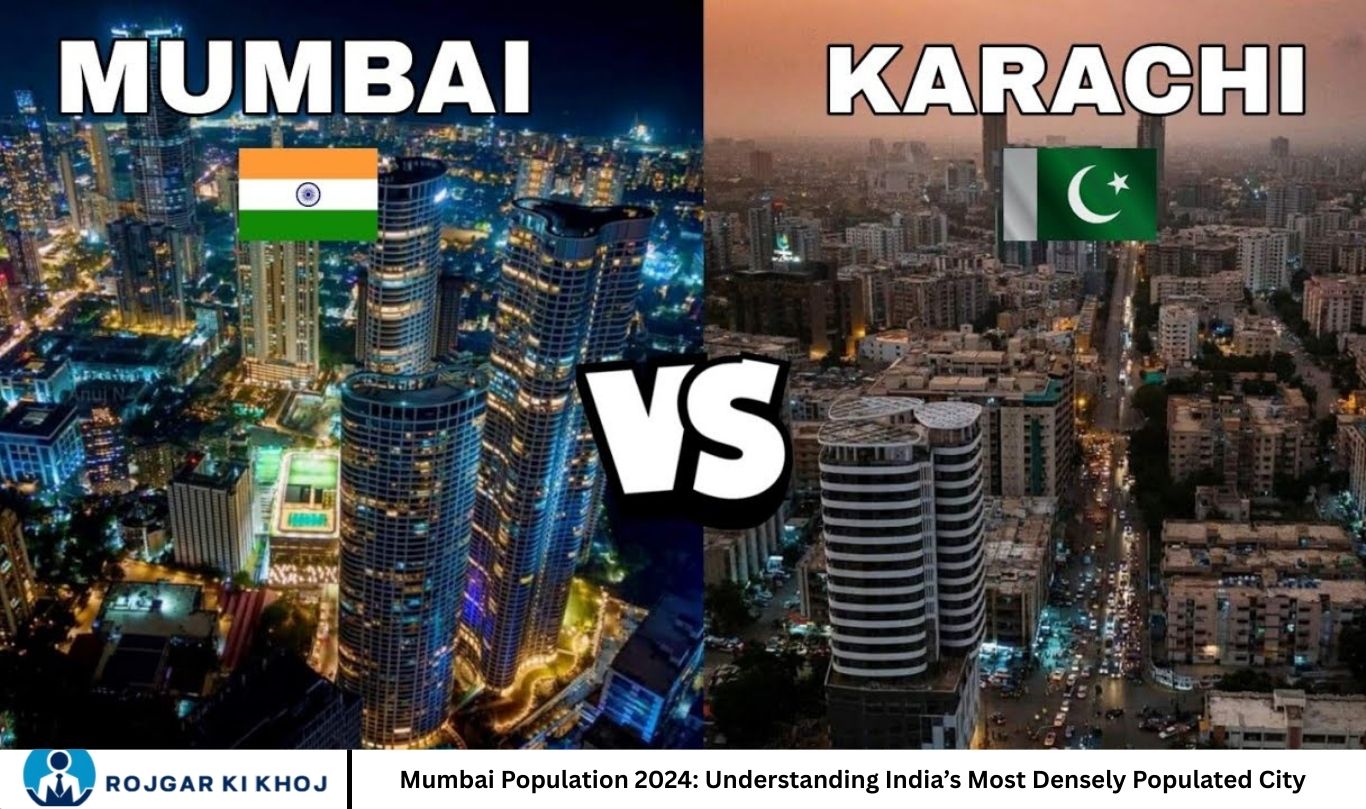
Mumbai, famously known as the “City of Dreams,” is India’s financial and entertainment capital. Its dynamic economy, cultural diversity, and opportunities continue to attract people from all over the country. As of 2024, Mumbai remains one of the most densely populated cities in the world. Understanding its population trends, growth patterns, and associated challenges is critical for urban planning, governance, and business development. This article provides a comprehensive overview of Mumbai’s population in 2024, exploring historical trends, demographics, challenges, and future outlook.
Mumbai’s Population in 2024: Key Figures
Mumbai’s population can be looked at from two perspectives: the city proper (governed by the Brihanmumbai Municipal Corporation) and the wider metropolitan region. In 2024:
- The Mumbai metropolitan area is estimated to have a population of approximately 21.67 million people.
- The city proper, within municipal boundaries, has an estimated population of around 13.06 million.
- This difference highlights the expansion of urban sprawl into suburbs and satellite towns, forming the Mumbai Metropolitan Region.
Population Density and Urban Pressure
Mumbai is one of the most densely populated cities in the world. With its limited land area and high population, the city faces immense urban pressure:
- The population density in the main urban areas reaches over 27,000 people per square kilometer.
- High density impacts housing, public transportation, sanitation, water supply, and waste management.
- Infrastructure and public services often struggle to keep pace with the rapid population growth, creating challenges for urban governance.
Historical Population Growth
Mumbai has experienced consistent population growth over the past century:
- In the early 1900s, the population of Mumbai was under 1 million.
- By 2011, the city proper exceeded 12 million residents, reflecting a century of urbanization and migration.
- Projections suggest continued growth, with the city proper expected to reach approximately 18.2 million by 2025 and the metropolitan area potentially exceeding 26.9 million.
- This growth is driven by both natural population increase and continuous migration from other regions of India.
Demographic Composition
Mumbai’s population is diverse, with varying literacy rates, sex ratios, and ward-level population distribution:
- Literacy: The city boasts a high literacy rate of around 89.8%, with male literacy slightly higher than female literacy.
- Sex Ratio: Mumbai has a skewed sex ratio, with approximately 853 females for every 1,000 males, reflecting urban migration trends.
- Ward Distribution: Population distribution across city wards varies significantly, with some central wards heavily populated while peripheral wards remain less dense. Understanding these patterns helps with resource allocation and urban planning.
Drivers of Population Growth
Several factors contribute to Mumbai’s rapid population growth:
- Migration: The city attracts workers from across India seeking economic opportunities in finance, trade, and entertainment.
- Natural Growth: Birth rates, though declining nationally, still contribute to population growth.
- Economic Opportunity: Mumbai’s status as India’s financial capital draws professionals, entrepreneurs, and laborers alike.
- Urban Expansion: Suburban growth and the development of satellite towns further increase the metropolitan population.
Challenges of High Population
Mumbai’s large population presents significant challenges:
- Housing and Slums: Limited affordable housing has resulted in congestion and the proliferation of informal settlements.
- Infrastructure Overload: Roads, trains, water supply, and sanitation systems are under constant strain due to high demand.
- Environmental Concerns: Population density contributes to pollution, waste generation, and degradation of green spaces.
- Health and Sanitation: Access to healthcare and clean water can lag behind demand, especially in crowded wards.
- Climate Vulnerability: Mumbai’s coastal location makes it susceptible to flooding, rising sea levels, and extreme weather events.
Opportunities and Strategic Responses
Despite challenges, Mumbai’s growing population presents opportunities if managed effectively:
- Urban Planning: Strategic planning can balance density with green spaces, efficient public transport, and sustainable development.
- Affordable Housing Projects: Expanding housing initiatives and rehabilitation programs can reduce overcrowding and improve living conditions.
- Infrastructure Investment: Strengthening transport networks, water supply, and sanitation systems is crucial to support the population.
- Environmental Sustainability: Pollution control, waste management, and conservation of coastal areas are vital for long-term resilience.
- Data-driven Governance: Using population data for ward-level planning can improve resource allocation and service delivery.
Future Outlook: 2025 and Beyond
Mumbai’s population is projected to continue growing:
- The city proper may reach 18.2 million by 2025, while the metropolitan area could exceed 26.9 million.
- Continued migration and natural growth will keep the city under pressure, but careful planning can transform this growth into economic and social opportunities.
- Development of the second international airport in Navi Mumbai, expansion of metro lines, and improved infrastructure are expected to redistribute growth and reduce congestion.
- Climate adaptation and disaster resilience strategies will become increasingly important to protect residents and infrastructure.
Frequently Asked Questions
What is the population of Mumbai in 2024?
As of 2024, the Mumbai metropolitan area has an estimated population of around 21.67 million, while the city proper has approximately 13.06 million residents.
Why is there a difference between Mumbai city and metropolitan population?
The difference exists because the city proper refers to the area governed by the Brihanmumbai Municipal Corporation, while the metropolitan region includes surrounding suburbs and satellite towns that form the Greater Mumbai urban agglomeration.
How dense is Mumbai’s population?
Mumbai is one of the most densely populated cities in the world, with over 27,000 people per square kilometer in core urban areas, putting significant pressure on housing, transport, and public services.
What are the main factors driving Mumbai’s population growth?
Mumbai’s growth is driven by internal migration, economic opportunities, natural population growth, and urban expansion into suburban areas.
What challenges does Mumbai face due to high population?
High population density in Mumbai leads to challenges such as housing shortages, slums, traffic congestion, overloaded infrastructure, environmental pollution, and vulnerability to floods and climate change.
Conclusion
Mumbai population in 2024, with over 21 million residents in the metropolitan region, highlights the city’s significance as India’s economic powerhouse. The dense population presents both challenges and opportunities, from infrastructure strain to economic vibrancy. Effective urban planning, sustainable development policies, and inclusive governance are essential to ensure Mumbai remains a city of dreams for its residents and continues to thrive as a global metropolis.Mumbai’s growth story is a testament to India’s rapid urbanization, and managing this population responsibly will determine the city’s future livability, economic success, and environmental sustainability.