


India is one of the world’s oldest civilizations and one of the largest democracies. Known for its rich cultural heritage, diverse traditions, and remarkable history, India holds a unique place on the global stage. Many people often search for the full form of India, believing that each letter in the word “INDIA” represents a specific phrase. While several popular interpretations exist, it is important to understand the historical and official significance of the country’s name.
This article explores the full form of India, its origin, historical background, significance, and some fascinating facts about the nation.
What Is the Full Form of India?
One commonly circulated full form of INDIA is:
Independent Nation Declared In August
This expansion is widely shared in educational discussions and online platforms. It symbolizes India’s achievement of independence from British rule on August 15, 1947.
However, it is important to note that this is not an official government-recognized full form. The word “India” itself is not an acronym. Instead, it is a proper name with historical and geographical origins.
Origin of the Name India
The name “India” is derived from the River Indus, one of the most important rivers in the history of the Indian subcontinent. Ancient civilizations flourished along the banks of the Indus River thousands of years ago.
The term originated from the Sanskrit word “Sindhu,” which referred to the Indus River. Persian travelers pronounced it as “Hindu,” while the Greeks later adapted it into “Indos” or “India.” Over time, the name became widely accepted across different regions of the world.
Today, India is the internationally recognized name of the country, while its constitutional name is also Bharat.
India and Bharat
According to the Constitution of India, the country is officially referred to as:
“India, that is Bharat, shall be a Union of States.”
The name Bharat has deep roots in Indian history and mythology. It is believed to be derived from King Bharata, a legendary ruler mentioned in ancient Indian texts.
Both India and Bharat are officially recognized names and are used in different contexts across the country.
Historical Significance of India
India’s history spans thousands of years and includes some of the world’s oldest civilizations. The country has witnessed the rise and fall of numerous kingdoms, empires, and cultural movements.
Ancient India made significant contributions to mathematics, astronomy, medicine, literature, and philosophy. The concept of zero, the decimal system, yoga, and Ayurveda all originated in India and continue to influence the world today.
Throughout history, India has been a center of trade, education, and cultural exchange, attracting travelers and scholars from various parts of the globe.
India’s Independence Journey
One of the most significant events in Indian history was its independence from British rule on August 15, 1947. The freedom movement involved decades of struggle, sacrifices, and leadership by notable figures who worked tirelessly to achieve self-governance.
The independence movement inspired millions of people and became one of the most important nonviolent struggles in modern history. The achievement of independence marked the beginning of a new chapter for the nation and laid the foundation for democratic governance.
This historical event is one reason why the popular expansion “Independent Nation Declared In August” resonates with many people.
Cultural Diversity of India
India is known for its extraordinary cultural diversity. The country is home to hundreds of languages, numerous religions, and a wide variety of customs and traditions.
Each region of India has its own unique identity reflected through its food, clothing, festivals, music, and art forms. Despite these differences, the nation is united by a shared sense of identity and constitutional values.
This diversity is often described as one of India’s greatest strengths and is a key reason why the country is admired worldwide.
India’s Global Importance
In the modern era, India has emerged as one of the world’s leading economies and an important global player. The country has made significant progress in technology, science, education, healthcare, and space exploration.
India’s large population, growing economy, and strategic position make it an influential nation in international affairs. Indian professionals, entrepreneurs, scientists, and innovators continue to contribute to global development across various sectors.
The country’s achievements demonstrate its ongoing transformation while preserving its rich cultural heritage.
Interesting Facts About India
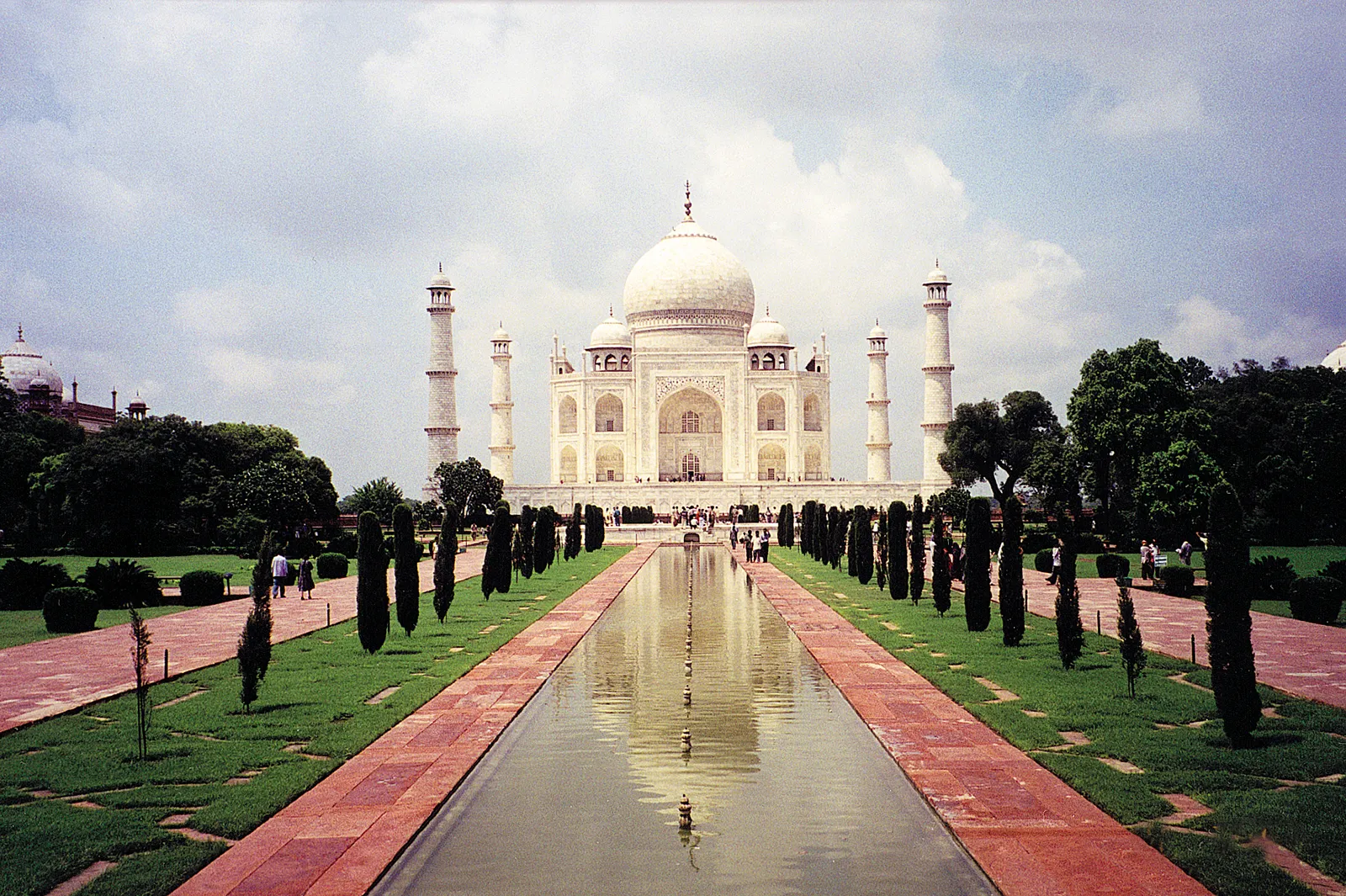
India is the seventh-largest country in the world by land area and one of the most populous nations. It is home to some of the world’s most famous landmarks, including the Taj Mahal, which is recognized as a UNESCO World Heritage Site.
India is also known as the birthplace of several major religions, including Hinduism, Buddhism, Jainism, and Sikhism. The country celebrates a wide range of festivals throughout the year, reflecting its multicultural society.
Its democratic system is considered one of the largest and most vibrant in the world, with millions of citizens participating in elections regularly.
Frequently Asked Questions
What is the full form of INDIA?
A popular full form is “Independent Nation Declared In August.” However, this is not an official acronym recognized by the government.
Is India an acronym?
No. India is not officially an acronym. It is a historical name derived from the Indus River.
What is the official name of India?
The Constitution recognizes both India and Bharat as official names of the country.
Why is India called Bharat?
The name Bharat is believed to originate from King Bharata, a legendary ruler mentioned in ancient Indian literature.
When did India gain independence?
India gained independence from British rule on August 15, 1947.
What is the significance of the name India?
The name India reflects the country’s historical connection to the Indus River and its ancient civilization.
Conclusion
The full form “Independent Nation Declared In August” is a popular interpretation that highlights India’s historic independence in August 1947. However, the word India itself is not an official acronym. Its origins trace back to the Indus River, which played a vital role in shaping one of the world’s oldest civilizations.
India’s rich history, cultural diversity, democratic values, and global contributions make it a remarkable nation. Whether referred to as India or Bharat, the country continues to inspire people around the world through its heritage, achievements, and ongoing progress.