


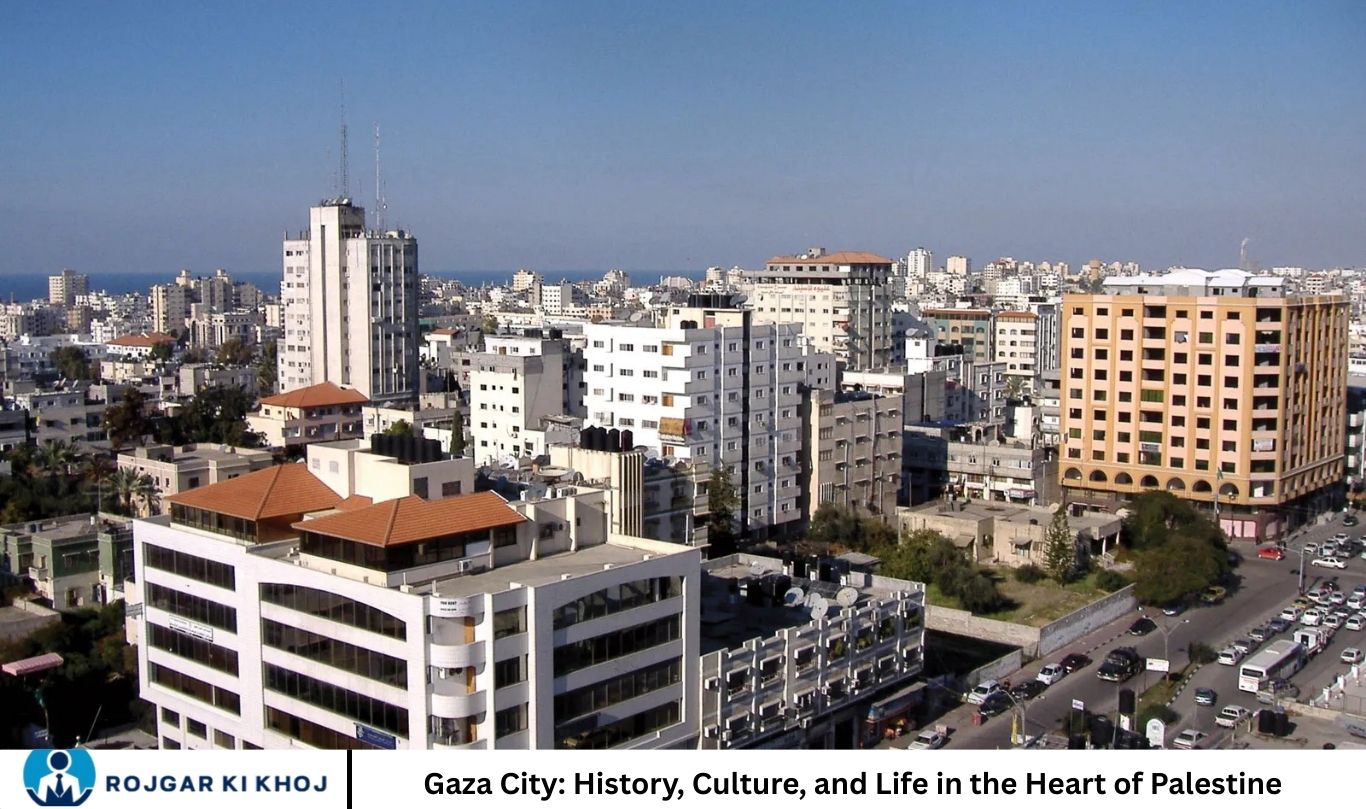
Gaza City, one of the oldest continuously inhabited cities in the world, stands as a powerful symbol of resilience, culture, and identity in the eastern Mediterranean region. As the largest urban center in the Gaza Strip, the city has played a vital historical, cultural, and economic role for centuries. Today, Gaza City remains a place of deep heritage, vibrant social life, and unique challenges, making it one of the most compelling cities in the Middle East.This article explores Gaza City’s history, geography, economy, culture, and daily life, offering a comprehensive understanding of what makes this ancient yet ever-alive city so significant.
The Historical Significance of Gaza City
Gaza City’s history stretches back more than 5,000 years, making it one of the oldest cities on Earth. Its strategic location along ancient trade routes linking Egypt, the Levant, and Asia made it a center of commerce and culture long before modern nations existed.
Throughout history, Gaza has been influenced by numerous civilizations, including:
- Ancient Egyptians
- Philistines
- Romans
- Byzantines
- Islamic Caliphates
- Ottoman Empire
- British Mandate Administration
Each civilization left visible traces in Gaza’s architecture, language, cultural practices, and urban layout. The Philistines, in particular, gave the region its early identity, and remnants of their presence can still be found in archaeological discoveries today.In medieval times, Gaza became known for its agricultural productivity, especially in olives, citrus, and grain. The city also became a center of learning, attracting scholars and travelers.Today, Gaza’s long and layered history is one of its greatest cultural assets and forms a key part of Palestinian heritage.
Geography and Urban Landscape
Gaza City lies along the Mediterranean coast, giving it a warm climate and access to rich marine resources. Its coastal location has shaped:
- local cuisine
- economy
- tourism potential
- maritime culture
The urban landscape combines older neighborhoods with newer residential and commercial developments. Narrow historic streets and traditional homes coexist with modern buildings and markets.The Mediterranean Sea remains central to the identity of Gaza City. Fishing is not only an important livelihood but also a cultural tradition passed down through generations.
Economy and Daily Life in Gaza City
The economy of Gaza City has long been shaped by trade, agriculture, fishing, and small industries. Today, the economic environment faces significant challenges due to political and humanitarian conditions, restrictions on movement, and limited access to resources.Despite this, the people of Gaza City continue to demonstrate remarkable creativity and determination. Key aspects of daily economic life include:
Small Businesses and Markets
Local markets (souks) remain vibrant hubs where residents buy:
- spices
- fresh produce
- cloth
- household goods
Small shops, bakeries, cafés, and artisan workshops play a crucial role in sustaining livelihoods.
Agriculture
Gaza is famous for:
- olive oil
- citrus fruits
- strawberries
- vegetables
Agriculture not only provides food but also supports local identity and tradition.
Fishing
Fishing remains one of the oldest and most respected professions in the city. Families rely on the sea for food, income, and cultural continuity.
Education and Labor
Gaza City hosts universities, schools, and vocational institutions that nurture future generations in fields such as:
- medicine
- engineering
- education
- business
Many young people continue to pursue higher education despite difficult circumstances, reflecting the community’s commitment to progress.
Culture and Traditions of Gaza City
Gaza City’s cultural life is rich, expressive, and deeply rooted in Palestinian identity.
Traditional Music and Dance
Music in Gaza often features:
- oud
- tabla
- rural and urban folk styles
Dabke, the traditional Palestinian dance, remains extremely popular at celebrations and cultural events.
Cuisine
Gazan cuisine is known for its bold flavors and local ingredients. Popular dishes include:
- maqluba
- musakhan
- falafel and shawarma
- seafood stews
Olive oil and fresh herbs play a central role in everyday cooking.
Handicrafts and Art
Local artisans produce:
- embroidery
- weaving
- pottery
- jewelry
These crafts preserve cultural knowledge and provide income for families.
Festivals and Community Life
Family gatherings, weddings, religious holidays, and neighborhood events form the backbone of social connection in Gaza City. Hospitality is a deeply cherished value, and visitors often remark on the warmth and generosity of residents.
Education and Intellectual Life
Education in Gaza City is highly valued across all social groups. The city hosts:
- primary and secondary schools
- community learning centers
- universities such as the Islamic University of Gaza
Students often engage in scientific research, arts, and social sciences, contributing to global academic conversations despite challenging conditions.Libraries, cultural centers, and youth clubs are central to fostering creativity and learning. Poetry and literature, in particular, have long been respected forms of expression in Gaza and across Palestine.
Tourism and Points of Interest
Although access and infrastructure are affected by broader geopolitical issues, Gaza City still holds many places of interest for those who can visit.
Key Attractions Include
- The Great Mosque of Gaza – one of the oldest mosques in the region
- Old City neighborhoods – showcasing traditional architecture
- The Mediterranean coastline – offering beautiful views and fishing communities
- Archaeological sites – revealing layers of ancient history
Gaza’s cultural and historical significance makes it a potential tourist destination for cultural and heritage tourism in the future.
Challenges Facing Gaza City
Understanding Gaza City also requires recognizing the challenges its residents face.
Humanitarian and Economic Constraints
Residents deal with:
- limited electricity
- restricted movement
- shortages of essential goods
- pressure on healthcare and infrastructure
These conditions affect daily life, business, and long-term development.
Environmental and Infrastructure Issues
Coastal erosion, water contamination, and aging infrastructure create additional challenges that require long-term solutions.
Resilience and Community Strength
Despite difficulties, the people of Gaza City display extraordinary:
- resilience
- creativity
- commitment to education
- strong community bonds
Local initiatives, youth programs, and humanitarian partnerships continue to support progress.
Life in Gaza City Today
Life in Gaza City is a mix of tradition and modernity. Children play in the streets, coffee shops buzz with conversation, families gather for meals, and artists create works that reflect both hope and struggle.
The city’s cultural life remains strong through:
- music and dance
- storytelling
- poetry
- crafts
Social media has also given young Gazans a platform to share their stories, art, and aspirations with the world.
Why Gaza City Matters
Gaza City is more than a geographic location; it is a living cultural heritage and a testament to human endurance.
Its importance comes from:
- Ancient History
Few cities can claim continuous habitation for millennia. - Cultural Richness
Music, food, art, and social traditions form a unique cultural ecosystem. - Human Resilience
The ability of residents to maintain education, creativity, and hope under pressure is deeply inspiring. - Strategic Significance
Its location has shaped trade, culture, and politics for thousands of years.
The Future of Gaza City
The future of Gaza City depends on:
- sustainable development
- improved infrastructure
- expanded access to resources
- peaceful political progress
With support from local initiatives and international cooperation, Gaza has the potential to rebuild, grow, and flourish while preserving its cultural identity.
Young people in Gaza express strong dreams for:
- better healthcare
- modern infrastructure
- technological growth
- cultural exchange
These aspirations reflect a future built on learning, creativity, and connection.
Frequently Asked Questions
Where is Gaza City located?
Gaza City is located in the Gaza Strip along the eastern coast of the Mediterranean Sea. It is the largest and most populated city in the region.
Why is Gaza City historically significant?
Gaza City is one of the oldest continuously inhabited cities in the world, with a history spanning over 5,000 years. It has been influenced by many ancient civilizations and has played an important role in trade, culture, and learning.
What are the main economic activities in Gaza City?
The economy of Gaza City relies on agriculture, fishing, small businesses, local markets, and education. Despite challenges, residents continue to support their livelihoods through creativity and resilience.
What cultural traditions is Gaza City known for?
Gaza City is known for its rich cultural traditions including traditional music, dabke dancing, embroidery, handcrafted art, and unique Palestinian cuisine.
Is Gaza City a tourist destination?
While tourism is limited due to access restrictions, Gaza City has many attractions including historic mosques, archaeological sites, traditional neighborhoods, and its Mediterranean coastline.
Conclusion
Gaza City stands as one of humanity’s oldest and most culturally vibrant urban centers. Its history is a tapestry woven from ancient civilizations, centuries of cultural expression, and the daily lives of people who continue to nurture their heritage despite adversity.Understanding Gaza City means recognizing not only its challenges but also its profound strengths: its people, its culture, its resilience, and its unbreakable sense of identity.As the world moves toward greater communication, cooperation, and understanding, Gaza City remains a reminder that culture and humanity endure even in the face of uncertainty. With continued support and hope, the future of Gaza City can shine as brightly as its past.