


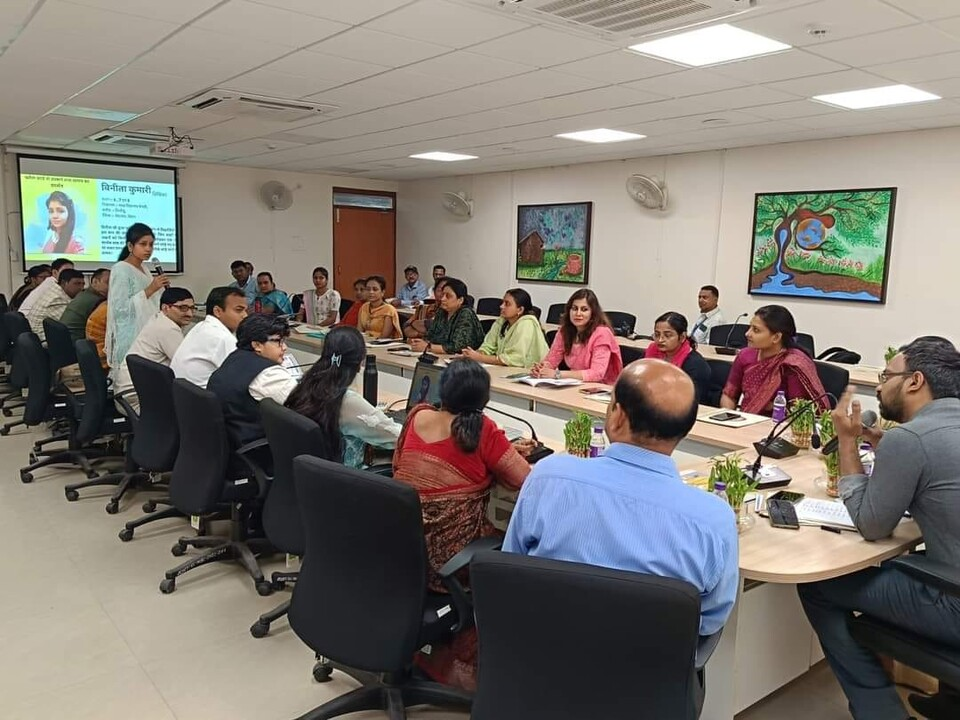
Education is one of the most important pillars of social and economic development. In Bihar, the Education Minister plays a crucial role in shaping educational policies, improving learning outcomes, and ensuring access to quality education for millions of students. The Education Minister is responsible for overseeing the state’s education system, implementing government initiatives, managing educational institutions, and introducing reforms that benefit students, teachers, and society as a whole.
As Bihar continues to focus on educational development, the position of Education Minister has become increasingly significant. The minister works closely with educational departments, schools, colleges, universities, and policymakers to improve literacy rates, strengthen infrastructure, and promote modern teaching practices. This article explores the role of the Education Minister of Bihar, responsibilities associated with the office, major initiatives, challenges, and the future of education in the state.
Who is the Education Minister of Bihar?
The Education Minister of Bihar is a senior member of the state government responsible for managing educational affairs. The minister heads the Education Department and supervises policies related to primary, secondary, higher, and technical education.
The Education Minister acts as a bridge between the government and educational institutions, ensuring that educational reforms and welfare programs are implemented effectively throughout the state.
Importance of the Education Ministry in Bihar
Bihar is one of India’s most populous states, with millions of students enrolled in schools and colleges. The Education Ministry is responsible for ensuring that these students receive quality education and equal opportunities for learning.
The ministry focuses on:
- Improving literacy rates.
- Expanding access to education.
- Enhancing school infrastructure.
- Recruiting and training teachers.
- Implementing digital learning initiatives.
- Promoting higher education and skill development.
- Supporting students through scholarships and welfare schemes.
The success of these initiatives significantly impacts the state’s social and economic progress.
Responsibilities of the Education Minister of Bihar
Policy Formulation
One of the primary responsibilities of the Education Minister is developing educational policies that align with national and state goals. These policies address curriculum development, examination systems, teacher recruitment, and educational standards.
School Education Management
The minister oversees government schools and works to improve educational quality. This includes ensuring adequate classrooms, learning materials, sanitation facilities, and student welfare programs.
Higher Education Development
Universities and colleges in Bihar operate under the supervision of the Education Department. The minister supports higher education institutions through funding, policy reforms, and infrastructure development.
Teacher Recruitment and Training
Teachers are essential to educational success. The Education Minister supervises recruitment processes and promotes professional development programs that help teachers improve their skills and teaching methods.
Budget Allocation
The ministry manages significant financial resources dedicated to education. The minister ensures that funds are allocated efficiently to schools, colleges, educational programs, and infrastructure projects.
Implementation of Government Schemes
Various educational welfare programs are implemented under the guidance of the Education Minister. These schemes support students from economically weaker sections and encourage school enrollment and retention.
Major Educational Initiatives in Bihar
Strengthening School Infrastructure
The Bihar government has invested in constructing classrooms, improving sanitation facilities, and providing basic amenities to schools across the state. Better infrastructure creates a more effective learning environment.
Digital Education Programs
Technology has become an essential part of education. The Education Department has introduced digital learning resources, smart classrooms, and online educational platforms to improve accessibility and learning outcomes.
Scholarship Programs
Scholarships help students continue their education without financial barriers. The state government offers several scholarship schemes for deserving and economically disadvantaged students.
Focus on Girls’ Education
Bihar has launched initiatives aimed at increasing female literacy and school attendance. Programs supporting girls’ education have contributed to improved enrollment rates and educational participation.
Skill Development and Vocational Training
The state promotes vocational education and skill development programs that prepare students for employment and entrepreneurship opportunities.
Challenges Faced by the Education Sector in Bihar
Despite significant progress, Bihar’s education system faces several challenges.
Infrastructure Gaps
Many schools still require additional classrooms, laboratories, libraries, and technological resources.
Teacher Shortages
The recruitment and retention of qualified teachers remain ongoing challenges in some regions.
Rural Education Barriers
Students in remote areas often face difficulties related to transportation, connectivity, and educational resources.
Digital Divide
While digital learning is expanding, access to internet services and digital devices remains limited in certain areas.
Learning Outcomes
Improving educational quality and ensuring strong learning outcomes continue to be major priorities for policymakers.
Role of the Education Minister in Educational Reforms
The Education Minister plays a central role in introducing reforms that improve educational standards. These reforms may include:
- Curriculum modernization.
- Digital learning integration.
- Examination system improvements.
- Teacher training initiatives.
- School quality enhancement programs.
- Higher education reforms.
By implementing these reforms, the ministry aims to create a more effective and future-ready education system.
Impact of Educational Policies on Students
Educational policies introduced by the Bihar government directly affect millions of students. Positive outcomes include:
- Increased enrollment rates.
- Better educational facilities.
- Improved access to learning materials.
- Enhanced scholarship opportunities.
- Greater focus on practical and skill-based learning.
- Expanded digital education access.
These developments help students achieve academic success and prepare for future careers.
Future of Education in Bihar
The future of education in Bihar looks promising as the government continues investing in educational infrastructure, technology, and policy reforms. Key focus areas include:
- Universal access to quality education.
- Digital transformation of schools.
- Strengthening teacher training systems.
- Expanding vocational and skill-based education.
- Improving higher education opportunities.
- Enhancing student learning outcomes.
With continued efforts from policymakers and educational leaders, Bihar can achieve significant progress in educational development and literacy.
Frequently Asked Questions
Who is the Education Minister of Bihar?
The Education Minister of Bihar is responsible for managing the state’s education system and implementing educational policies and reforms.
What are the responsibilities of the Education Minister?
The minister oversees educational policies, school administration, higher education, teacher recruitment, infrastructure development, and welfare programs.
Why is the Education Minister important?
The Education Minister helps improve educational quality, increase literacy rates, and ensure equal learning opportunities for students across the state.
How does the Education Ministry support students?
The ministry supports students through scholarships, welfare programs, infrastructure improvements, and educational reforms.
What challenges does Bihar’s education sector face?
Major challenges include infrastructure gaps, teacher shortages, rural education barriers, and digital accessibility issues.
How is technology improving education in Bihar?
Digital learning platforms, smart classrooms, and online educational resources are helping expand access to quality education.
What is the future vision for education in Bihar?
The future vision focuses on quality education, digital transformation, skill development, improved infrastructure, and better learning outcomes.
Conclusion
The Education Minister of Bihar plays a critical role in shaping the future of education in the state. Through policy development, infrastructure improvements, teacher support, and student welfare initiatives, the ministry works to create a stronger and more inclusive educational system. Although challenges remain, continuous reforms and investments are helping Bihar move toward a brighter educational future. As education continues to evolve, effective leadership and innovative policies will remain essential for empowering students and driving the state’s overall development.