


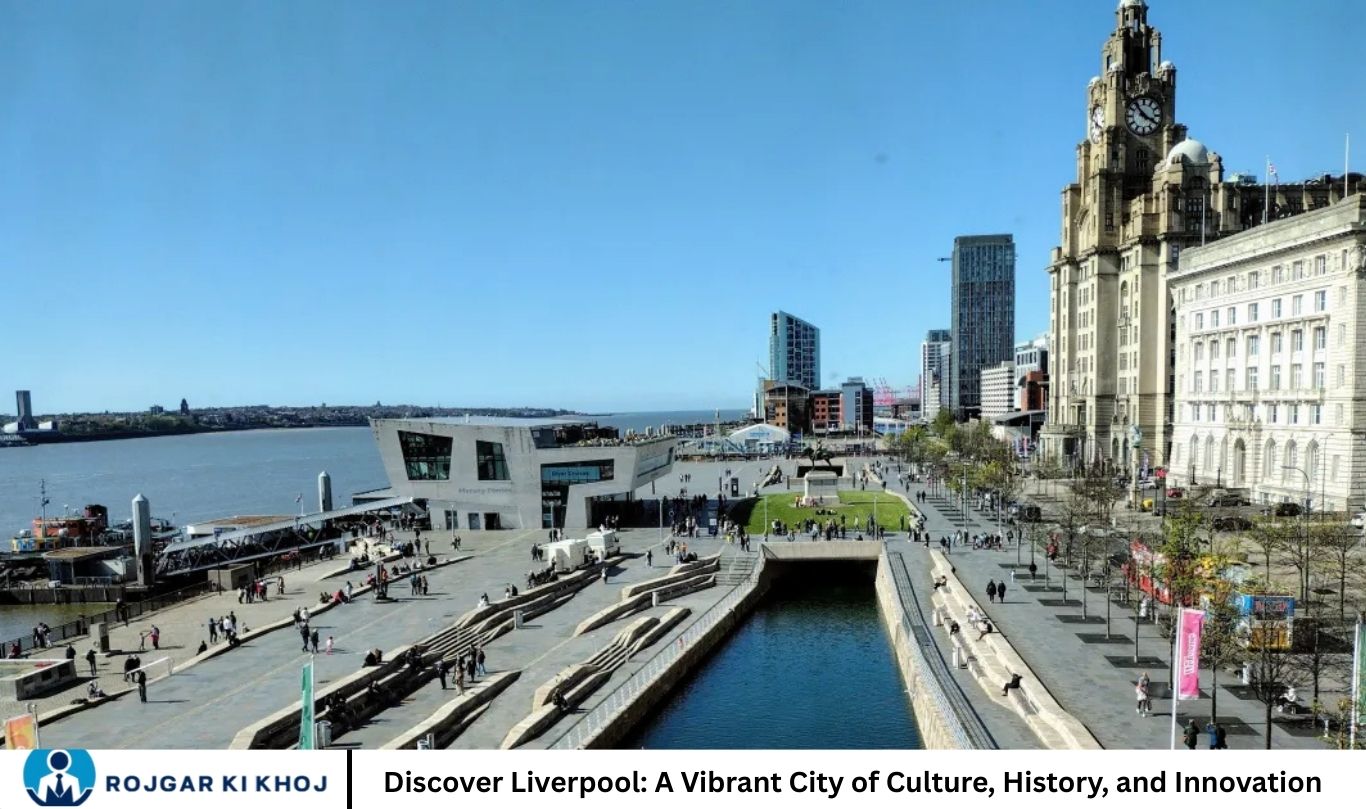
Liverpool is a city that resonates with history, music, sports, and innovation. Known worldwide as the birthplace of The Beatles and home to one of the most famous football clubs in the world, Liverpool is more than just a city—it’s an experience. This article explores the many facets of Liverpool, from its rich cultural heritage to its modern-day attractions, making it a must-visit destination for travelers, business professionals, and history enthusiasts alike.
The History of Liverpool: From Maritime Power to Cultural Hub
Liverpool has a fascinating history that dates back to the 13th century. Originally a small fishing village, it rose to prominence in the 18th century as a major port city. Its strategic location on the River Mersey allowed it to become a center of trade, particularly during the Industrial Revolution. The city’s docks were pivotal in the transatlantic trade, including the unfortunate legacy of the slave trade.Over time, Liverpool diversified its economy, developing industries like shipbuilding, manufacturing, and commerce. By the 20th century, it had evolved into a thriving cultural hub, blending its maritime heritage with music, art, and sports. Today, Liverpool is recognized as a UNESCO World Heritage Site, reflecting its historical and architectural significance.
Liverpool’s Iconic Landmarks: A Blend of History and Modernity
Liverpool boasts numerous landmarks that attract millions of visitors every year. Here are some must-see destinations:
The Royal Albert Dock
The Royal Albert Dock is one of Liverpool’s most iconic attractions. Built in 1846, it was once the largest single dock in the world. Today, it is a vibrant complex filled with museums, galleries, shops, and restaurants. The dock is also home to the Merseyside Maritime Museum, offering insights into Liverpool’s maritime history.
Liverpool Cathedral
Standing as one of the largest cathedrals in the world, Liverpool Cathedral is an architectural masterpiece. Its stunning Gothic design and panoramic city views make it a must-visit for tourists and architecture enthusiasts.
The Cavern Club
No visit to Liverpool is complete without experiencing the legendary Cavern Club, where The Beatles performed in their early years. The club continues to host live music and remains a pilgrimage site for music lovers worldwide.
St George’s Hall
St George’s Hall is another architectural gem in Liverpool. Known for its neoclassical design, the hall hosts concerts, exhibitions, and events. Its grand interior and historic significance make it a cultural centerpiece of the city.
Liverpool: The Heart of Music and the Beatles
Liverpool’s contribution to music is unparalleled, thanks largely to the global phenomenon of The Beatles. The city’s vibrant music scene extends beyond the Fab Four, encompassing genres like rock, pop, and classical.
The Beatles Story Museum
Located at the Royal Albert Dock, the Beatles Story Museum takes visitors on an immersive journey through the band’s history. It’s an essential stop for fans and anyone interested in understanding the cultural impact of Liverpool’s musical heritage.
Annual Music Festivals
Liverpool hosts several annual music festivals, including Liverpool International Music Festival and Sound City, attracting artists and fans from across the globe. These events reinforce the city’s status as a music capital and provide a platform for emerging talent.
Liverpool’s Football Legacy: More Than Just a Game
Liverpool is synonymous with football, and the city proudly houses two Premier League clubs: Liverpool FC and Everton FC.
Liverpool FC
Founded in 1892, Liverpool FC is one of the most successful football clubs in history. With multiple league titles and Champions League trophies, the club has a global fan base. The Anfield Stadium is not only a venue for thrilling matches but also a tourist attraction with its museum and stadium tours.
Everton FC
Everton FC, founded in 1878, is another pillar of Liverpool’s football culture. The club has a rich history and a loyal following, contributing to the city’s dynamic sporting atmosphere.
Football Culture in Liverpool
Football in Liverpool goes beyond matches; it’s a way of life. From pubs filled with fans to local community programs, the city breathes football, making it a unique destination for sports tourism.
Education and Innovation in Liverpool
Liverpool is not only rich in history and culture but also in education and innovation. The city is home to several renowned universities, including University of Liverpool, Liverpool John Moores University, and Liverpool Hope University.
Research and Innovation
Liverpool’s universities are at the forefront of research in fields such as medicine, marine biology, and engineering. The city has also embraced innovation through technology hubs, business incubators, and sustainable initiatives, making it a center for academic and entrepreneurial excellence.
Liverpool’s Culinary Scene: A Taste of Diversity
Liverpool’s food scene is a reflection of its multicultural heritage. From traditional British cuisine to international flavors, the city offers something for every palate.
Traditional Dishes
Classic Liverpool dishes include Scouse, a hearty meat and vegetable stew, and fresh seafood from the Mersey. These dishes are often served in traditional pubs, offering an authentic taste of the city.
Modern Dining
In addition to traditional fare, Liverpool has a growing number of contemporary restaurants, offering cuisines ranging from Italian and Chinese to modern fusion. The city’s food festivals celebrate this culinary diversity, attracting food enthusiasts year-round.
Arts, Museums, and Cultural Experiences
Liverpool’s cultural landscape is vibrant and diverse, with museums, galleries, and theaters playing a central role in city life.
Tate Liverpool
The Tate Liverpool is a premier destination for contemporary art, featuring exhibitions from both British and international artists.
World Museum
The World Museum offers a comprehensive look at history, science, and natural history, making it an educational experience for visitors of all ages.
Liverpool Philharmonic Hall
For music lovers, the Liverpool Philharmonic Hall is a cultural gem, hosting classical concerts, opera, and contemporary performances.
Exploring Liverpool: Neighborhoods and Local Life
Liverpool is a city of diverse neighborhoods, each with its unique character and attractions.
Bold Street
Known for its eclectic shops, cafes, and restaurants, Bold Street is a favorite spot for locals and tourists alike.
Ropewalks
The Ropewalks area is vibrant and artistic, with street art, music venues, and boutique stores reflecting Liverpool’s creative spirit.
Baltic Triangle
An emerging cultural hub, the Baltic Triangle is home to innovative businesses, street art, and nightlife, making it perfect for younger visitors and creatives.
Transportation and Accessibility in Liverpool
Liverpool is well-connected and easy to navigate, whether you’re visiting for business or leisure.
Public Transport
The city offers an extensive bus and train network, along with the Merseyrail system, which provides efficient connections across the region.
Liverpool John Lennon Airport
Named after the famous Beatle, Liverpool John Lennon Airport offers domestic and international flights, making the city easily accessible to global travelers.
Cycling and Walking
Liverpool is also a walkable city, with scenic routes along the waterfront and cycling paths encouraging sustainable travel.
Why Visit Liverpool? The City’s Unique Appeal
Liverpool offers a rare combination of history, culture, sports, and modern innovation. Visitors can immerse themselves in the world of The Beatles, explore historic docks, enjoy award-winning cuisine, and experience world-class football. Its friendly locals, vibrant neighborhoods, and cultural events ensure that every visit is memorable.Whether you are a history buff, music enthusiast, sports fan, or foodie, Liverpool has something for everyone. The city continues to evolve, blending tradition with modernity, making it a dynamic and exciting destination.
Frequently Asked Questions About Liverpool
Where is Liverpool located?
Liverpool is a city in northwest England, situated along the eastern side of the River Mersey. It is approximately 35 miles (56 km) west of Manchester and 200 miles (322 km) north of London.
What is Liverpool famous for?
Liverpool is world-famous for its rich musical heritage, particularly as the birthplace of The Beatles. It is also renowned for its football clubs, Liverpool FC and Everton FC, historic maritime history, and vibrant cultural scene.
What are the top attractions in Liverpool?
Top attractions include the Royal Albert Dock, Liverpool Cathedral, The Beatles Story Museum, Cavern Club, St George’s Hall, and the Tate Liverpool art gallery. Football fans also visit Anfield Stadium and Goodison Park.
When is the best time to visit Liverpool?
The best time to visit Liverpool is between May and September, when the weather is mild, and festivals, music events, and outdoor activities are in full swing. Winter is quieter but can be ideal for indoor attractions like museums and galleries.
How can I get to Liverpool?
Liverpool is accessible via Liverpool John Lennon Airport, which offers domestic and international flights. The city also has excellent rail connections through Liverpool Lime Street Station and an extensive bus network.
Conclusion
Liverpool is more than just a city—it’s a cultural phenomenon. Its rich history, global music influence, sporting legacy, innovative spirit, and diverse culinary offerings make it a must-visit destination. Whether exploring historic landmarks, enjoying live music, cheering at a football match, or indulging in local cuisine, Liverpool promises an unforgettable experience.For travelers seeking a city with heart, soul, and character, Liverpool stands out as a beacon of culture and history, ready to welcome visitors from around the world.